Down the rabbit-hole – Research into floating-point audio

Well I’ve certainly found the topic for my Cutting Edge essay!

I have spent some time looking at some AES journal entires and a few books about this topic, and have really opened a can of worms regarding my understanding about how digital audio is processed within a computer. While my conceptual understanding of the process involved was solid, the actual nuts and bolts of how things are being calculated, and the processes involved work in a different way to how I had expected, and I’m finding it very interesting to learn about!

In particular, I found a couple of AES papers that covered this topic, Lidbetter & Spreadbury (1992) and Melchior (2019) as well as a computer science paper from Goldberg (1991) that really got my brain cells working.

As with my previous entry, I will not try to summarise the content of my research here, but have started drafting my Cutting Edge essay with this topic at its core, and am sure that several of the texts which I am currently reading will end up on the Annotated Bibliography page of this blog.
ProTools Training

I spent this week doing my Avid Certified Instructor in ProTools training at Pinewood Studios.

As well as a very interesting syllabus which has greatly increased my knowledge and skill level with this industry-standard software, I was also introduced to a topic that I wasn’t familiar with which may become the topic for one of my other MSc essays – fixed-point vs floating-point audio.

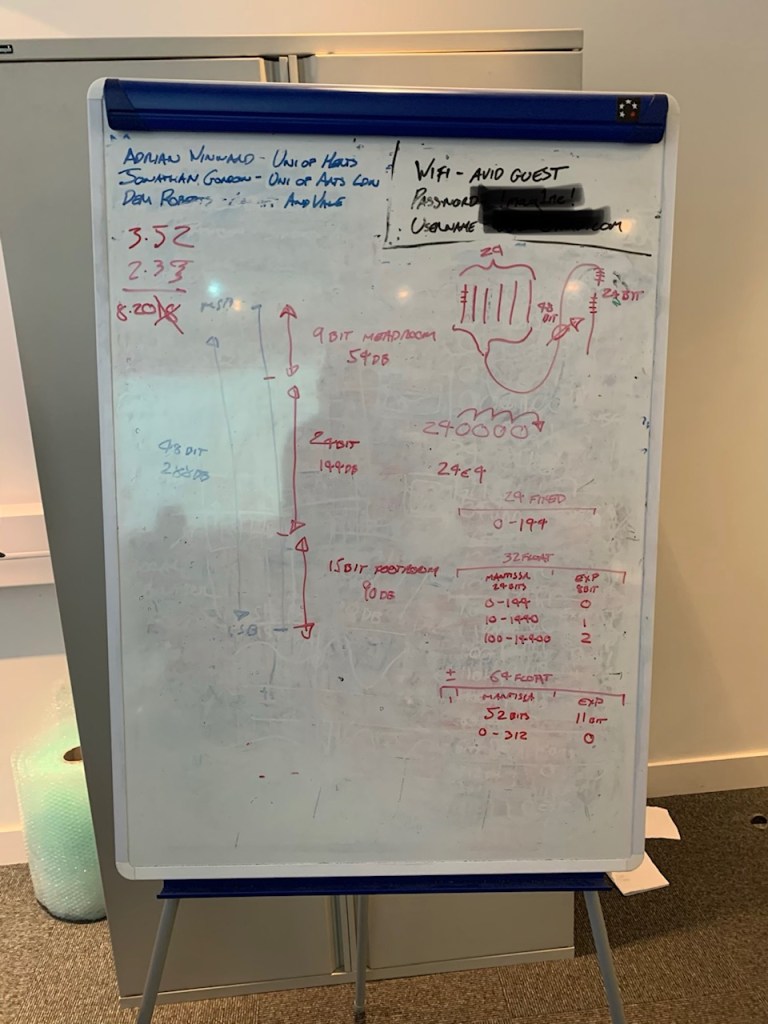
Our instructor, Justin, offered to go a little off-piste on Wednesday afternoon and go into extra depth about the way that digital audio is summed within ProTools – not part of the course we were being taught but an interesting side-topic. This ended up being a rather detailed discussion during which I learned a lot and also discovered a topic that I need to do some more research into! I won’t try to explain the concepts here, as that would end up being a full essay in itself, but have added an image of Justin’s wipeboard notes for some context.

The applications of the huge dynamic range available surely have some interesting hardware applications as well as the way they have been used in software. I will need to research this further…

Upgrades for Studio 2

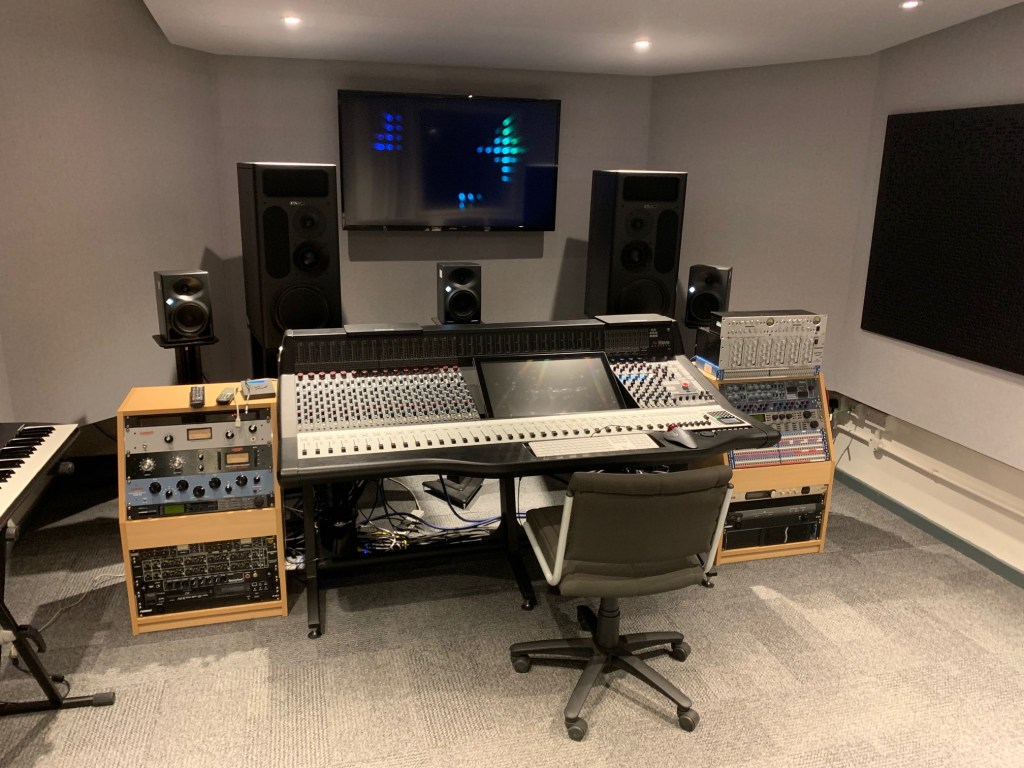
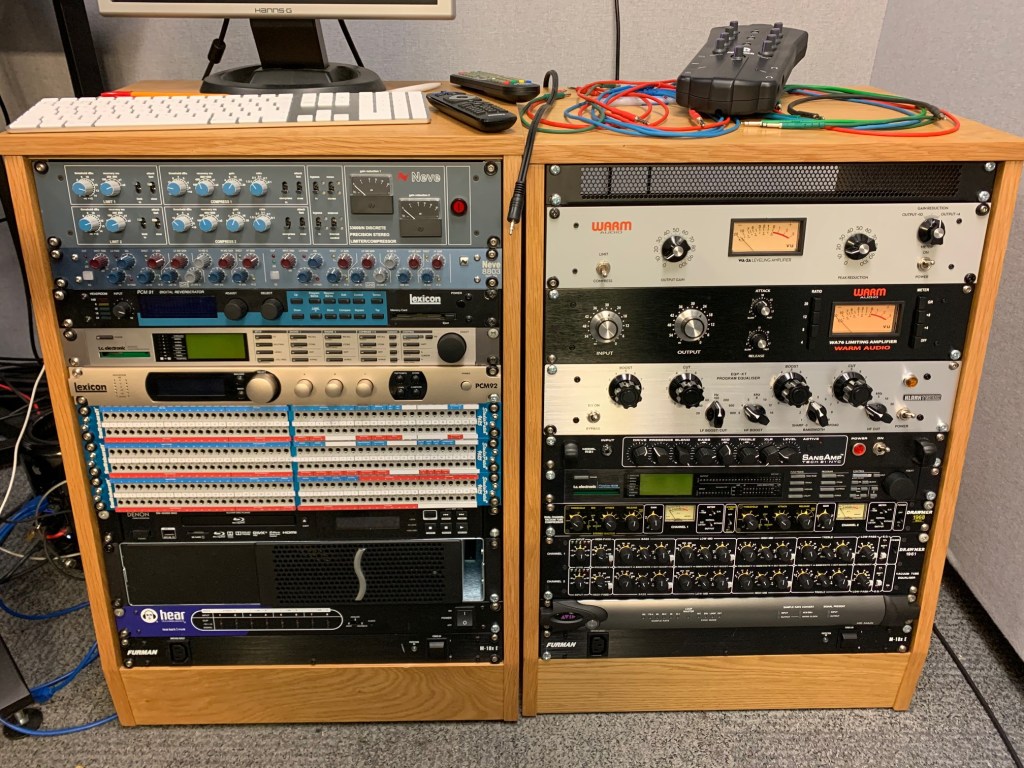
I’ve just had some funding approved for an upgrade to our second recording studio, to bring it in line with Studio 1.

I did a little bit of reading up on available outboard gear, and also had a chat with a couple of our academics, and we decided that the best route to go down was to try and purchase matching units to those found in Studio 1, rather than getting more modern versions or cheaper alternatives.

Several of the units we have installed in Studio 1 are actually out of production now, and cheaper modern alternatives are available, but compatibility between the two spaces was decided to be more important than the individual functionality of either room on its own. This is an example of where context is an important player in the technician’s decision making process, and why communication between all involved parties usually helps shape outcomes that are suitable for all involved, rather than just the one person calling the shots.

The only item we didn’t manage to get hold of a second copy of was the TC R4000 reverb, so we do still have one small mismatch between the rooms, but hopefully later down the line we can replace these two with some more high-quality alternatives like the Bricasti M7.

Mixing Hartwood

This weekend I managed to get back into the studio to mix the recordings I did with Hartwood a couple of weeks ago.

On listening back, I am really happy with the way these recordings turned out, although I must say that the Dettwiler method is not very forgiving of quiet acoustic ensembles which also contain a single snare drum. The snare was a bit problematic to keep controlled in the mix, as it bled so much into all of the other mics. If I were to record this session again the future I would probably pop Sophie (the percussionist) in a separate room to try and get a bit more separation.

Saying that, the recordings sound really good, and I don’t think we would have got anywhere near as musical a performance out of the vocals in particular if we hadn’t recorded them all together at the same time.

I decided to do this mix entirely in the analogue domain using the University’s Studio 1. I limited myself to not using any software plugins other than the Neve Genesys Control plugin which allows desk automation and fine control over the analogue EQ and dynamics available in the console. This meant that I didn’t get bogged down too much in the detail and allowed me to mix all 5 tracks in a day, giving a result that I am very happy with indeed. I now need to send these off to the band to check that they are happy with them – I’d love to post them here as well, but that isn’t really appropriate without the artist’s permission and until they have been officially released.

I tried to apply some of the principles I picked up while reading Gibson’s The Art of Mixing (2005) to this project, in particular the use of grouping vocal harmonies into separate busses and processing them together.

Electronics for Dummies

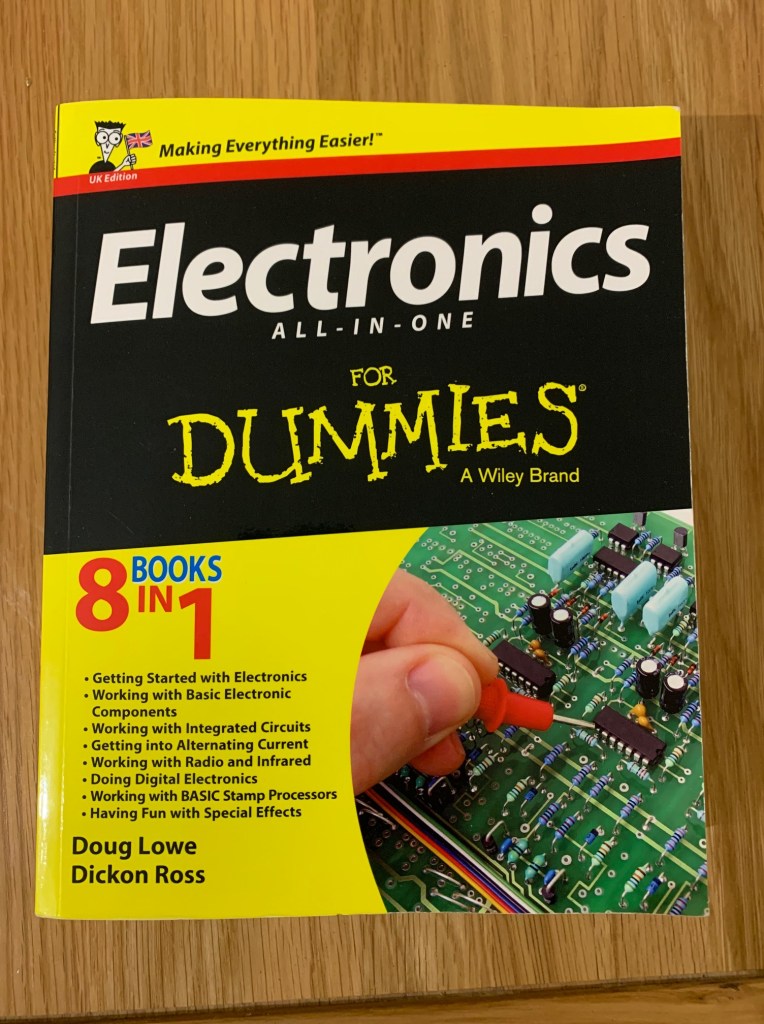
I finished reading a book today – Electronics for Dummies by Lowe & Ross (2013).

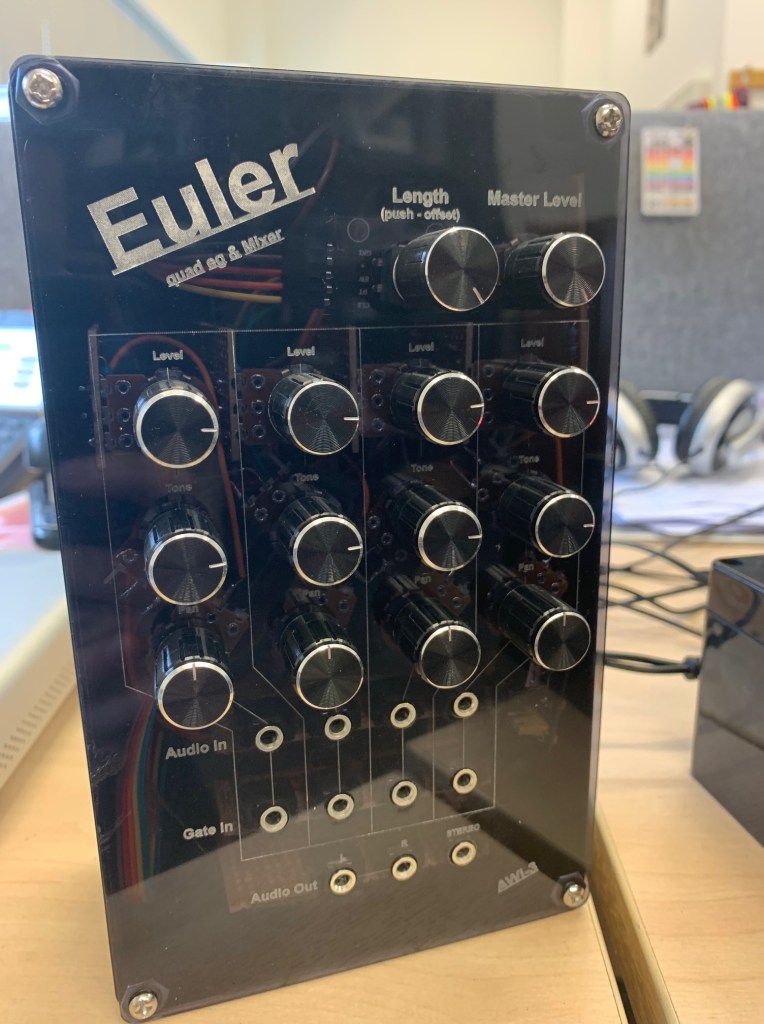
As a bit of background, I have been working on building some DIY synthesiser modules of my own design over the past year or so. Unfortunately, this project has largely ground to a halt with the increased workload of the beginning of term at the University, and also with my increased responsibility levels within the department, but I am hoping to get back onto it later in the year, potentially for my MSc’s FMP.

One issue that I came across when I build my mixer module (pictured) was that my knowledge of analogue electronics is clearly lacking, as it sounds terrible! I decided therefore to take my mostly self-taught electronics knowledge and rebuild it from the ground up by reading this book.

I must admit that I skipped the chapter on coding, as this was based in different language to the C+ I have been using on my projects, but the rest of the book was incredibly useful and well explained. In particular, my understanding of op-amps, RC filter networks and analogue logic processing has been greatly improved!

Now to try and find some time to get back to DIY synth building…

Recording session with Hartwood

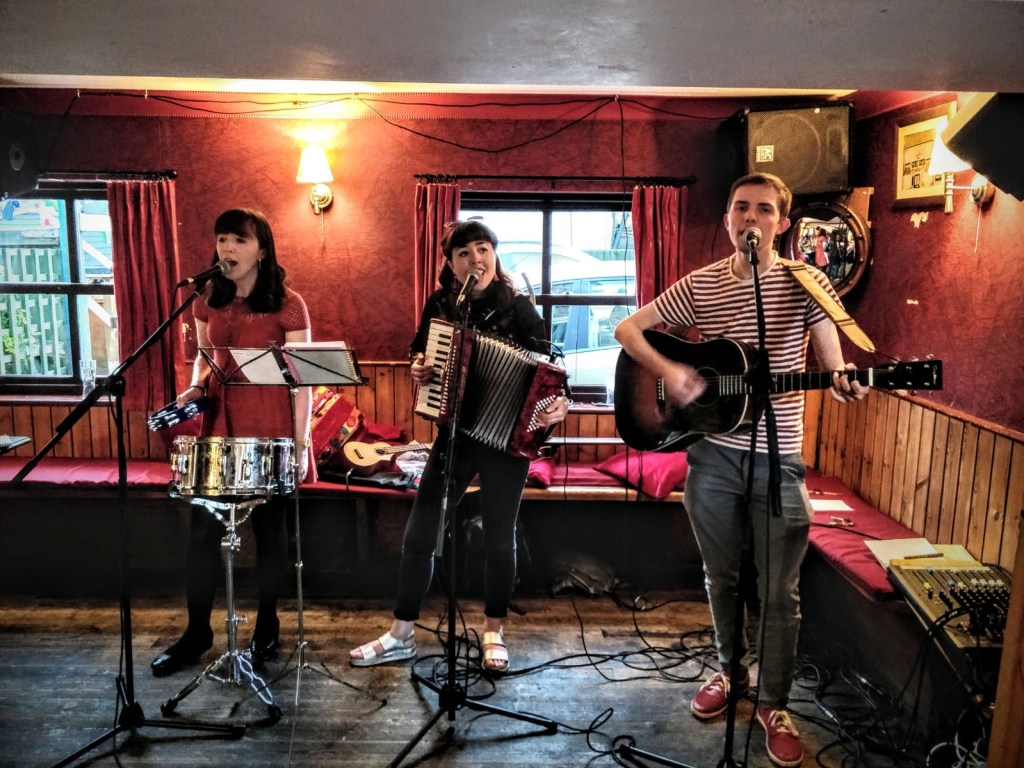
Today I had the opportunity to get into the studio and record a great band who I have the pleasure of working with quite regularly – Hartwood.

Hartwood are an acoustic folk-pop act, focusing their sound on close vocal harmonies with a guitar and accordion backing. As such, and due to the fact that they are very much a performance act rather than experienced recording artists, I decided to record everything live, with the potential for some vocal overdubs. I also decided to try out a slightly new technique which I had picked up on a recording seminar in Switzerland earlier in the year with Jazz engineer Daniel Dettwiler. This revolves around embracing the bleed between sound sources and microphones, and trying to record the band as a whole rather than as a set of individuals.

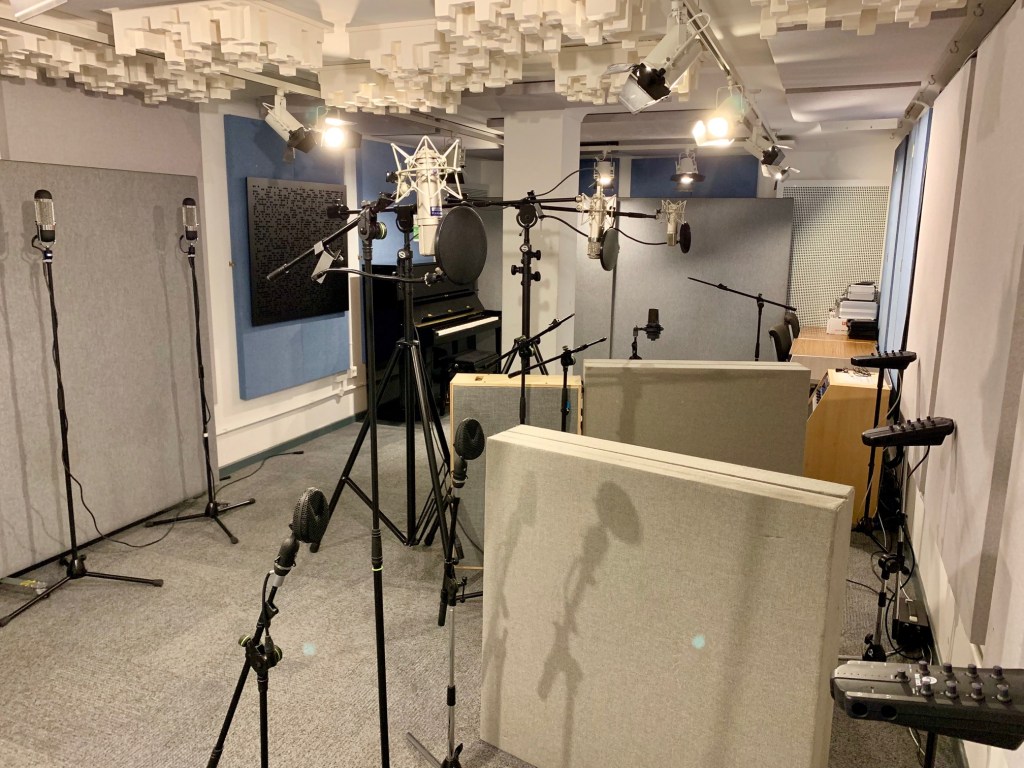
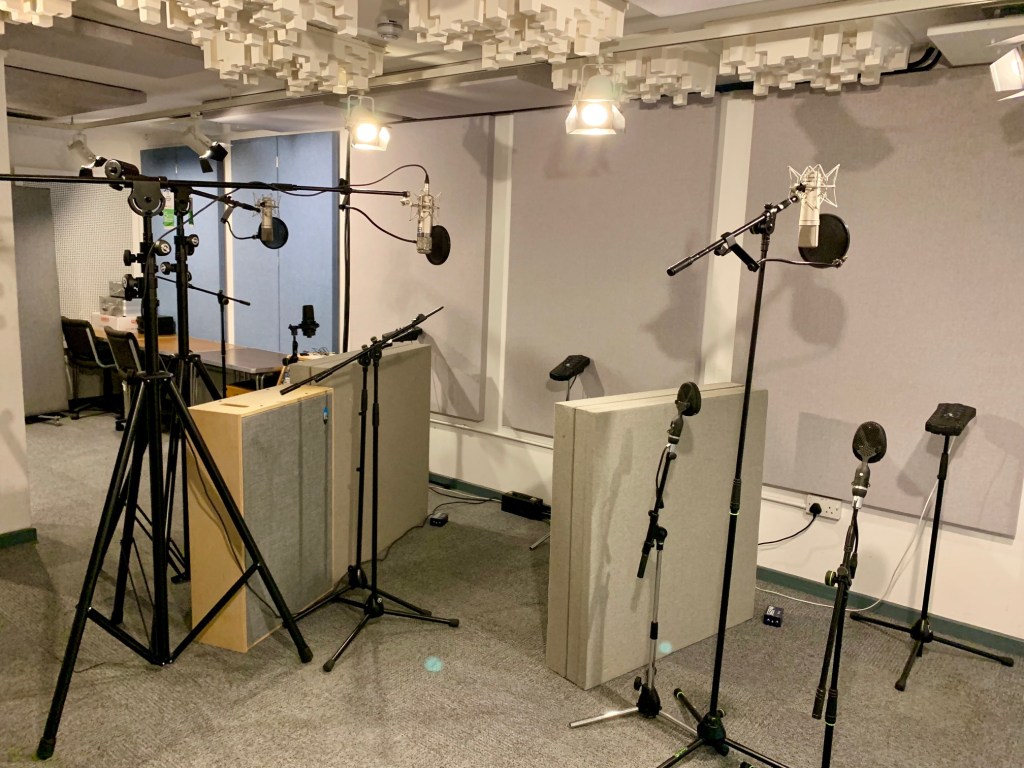
I had set up the studio the evening before (as pictured) to allow some acoustic separation between each performer but without interrupting the visual connection between them. In the end they decided that they preferred to do the vocals after the instrumentals, so each song was recorded in two passes – not quite the Dettwiler method, but an interesting mix between his ideal and a more traditional overdub-based session. I also used some microphone techniques that I had picked up whilst reading Modern Recording Techniques by Huber (2017), although sadly he does not mention the accordion.

I didn’t get any photos of the band recording, as we were busy trying to get five tracks done in a day, but the session went really well and I am very much looking forward to mixing it!

A quick introduction

Well here we go!

This blog will be the home of my thoughts, musings and ideas over the next few months in an effort to chart my development as a creative practitioner in the field of Music Technology and Audio Engineering.

I guess I should probably introduce myself…

My name is Adi, and I am a musician. My day job sees me as Senior Technical Officer for Music at the University of Hertfordshire, where I am in charge of tech support and resource management in a busy, cutting edge department. Come the weekend I am a performer and sound engineer, playing bass most weekends in a function band and also running the tech side of things for myself and a few other bands.

I will not cover every little thing that I do related to my field in this blog, but rather will focus in on areas and developments that I find interesting or relevant to my progression as a postgraduate level researcher – otherwise I would barely stop typing..

Please note that due to the nature of a blog, after this post everything will appear in reverse chronological order, so I might make more sense if you scroll to the bottom and work your way back up.

I hope that you – the reader – find this blog interesting and informative, and I hope that we can both learn something from it as we progress on this journey together!

Create your own website, free on WordPress.com.Create your own website.
Start free